 facebook
 Whatsapp
 Email
Email
 Link
LinkBy Joaquin P.L.G. Cook
Tourism: A slow rebound
Tourism, historically a cornerstone of Guam’s economy, has not yet returned to pre-pandemic levels. The recovery has been slower than anticipated, with several factors contributing to this lag.
Firstly, there are marketing issues. Attracting visitors from core markets has proven difficult, and there is a pressing need to tap into new or developing markets to diversify the tourism base. Increasing spending on marketing in source markets is essential, but this requires a larger budget for the Guam Visitors Bureau.
Then there are issues with Guam as a product. The island’s tourism infrastructure and attractions are perceived as outdated and in need of revitalization. A significant investment in “TLC” is required to make a positive impression on today’s travelers.
With the closure of popular shopping destinations like the Galleria, there is uncertainty about how best to repurpose these spaces to meet current tourist expectations.
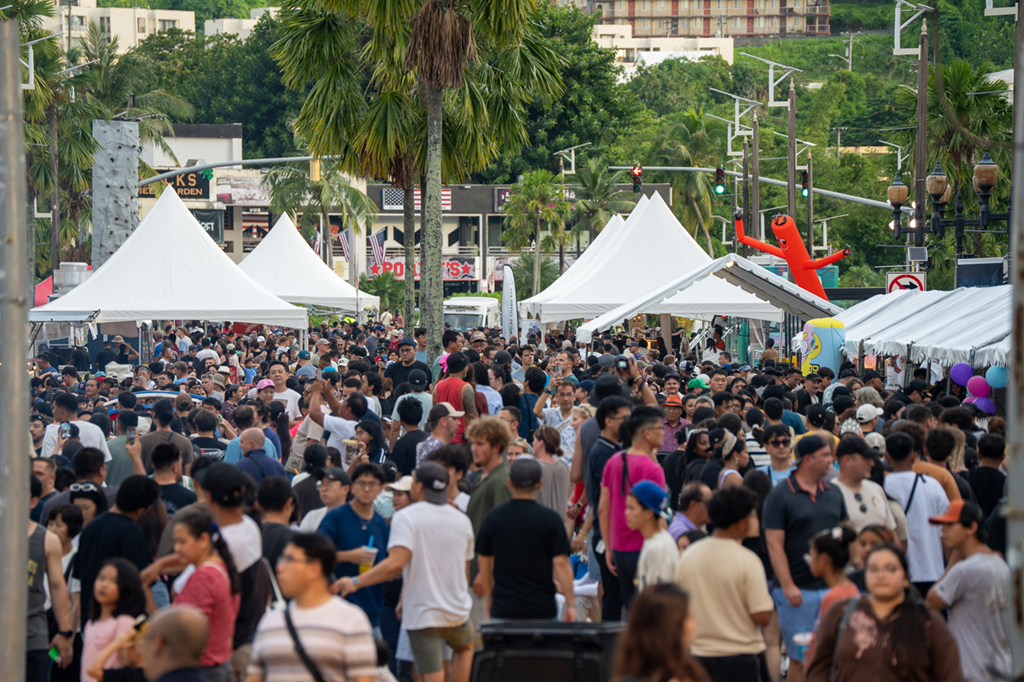
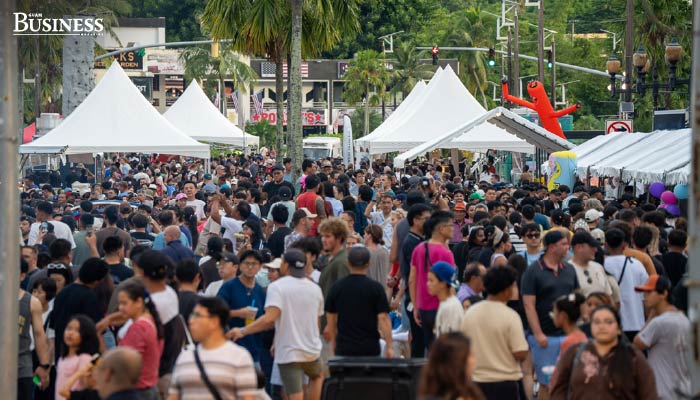
As to airline capacity, despite available airline seats, they remain unfilled, suggesting a gap in demand generation. Expanding sports tourism events, such as the annual Ko’ko Race, the Marianas Open, and other sports tournaments, could stimulate interest and attract visitors. Guam saw a 56.7% year-over-year increase in arrivals for the Guam International Dance Festival and over 900 international registrants for the 2026 Ko’Ko Road Race.
The hospitality sector faces ongoing challenges in recruiting and retaining reliable workers capable of delivering high-quality service. Many potential employees are drawn to federal contractor and government jobs, which offer better benefits and job security. The foreign currency exchange rate or FOREX is no friend to us. Fluctuations in the value of the U.S. dollar against the Japanese yen and Korean won continue to impact tourist spending. While this “new normal” persists, the effect can be mitigated if Guam offers value and a visitor experience that exceeds expectations.
Military activity: The economy’s pillar
Military construction spending remains a vital support for Guam’s economy. The local economy is often described as a “stool with only two full legs”— local activity and military construction spending — highlighting the need for diversification.
The largest companies operating on the island are primarily federal contractors, reflecting the outsized influence of military and government expenditure.
While military spending is expected to continue sustaining the economy for another seven to 10 years, a sharp decline is anticipated thereafter as major projects wind down, leading to fewer new contracts and a reduction to less than half of current activity.
Some ongoing work in maintenance and minor construction will persist, but nothing on the scale seen today.
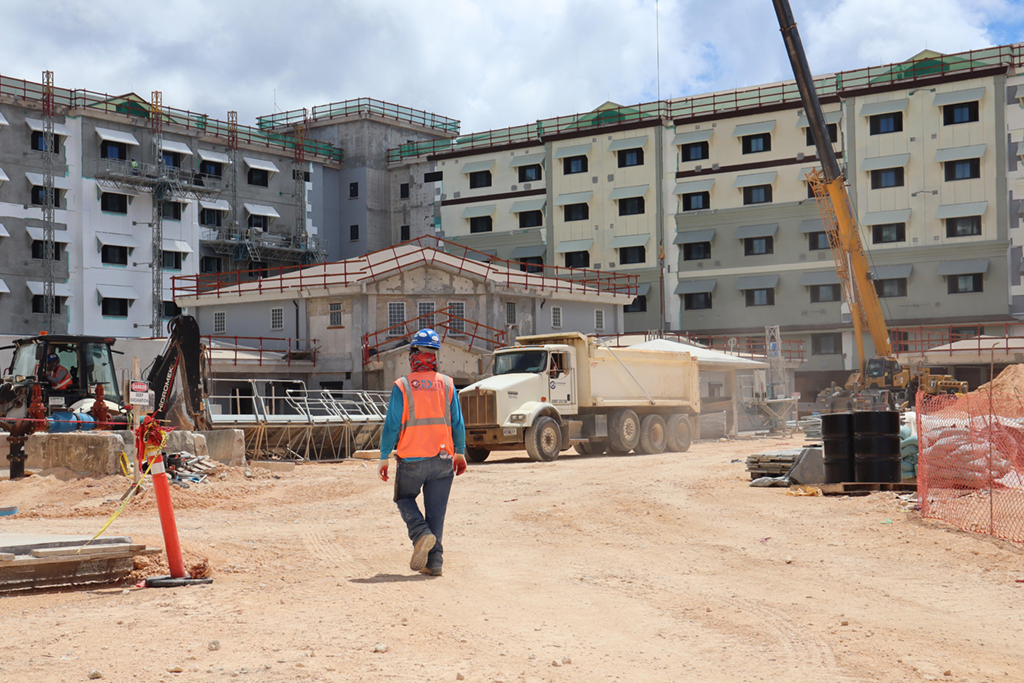
Marine Corps Camp Blaz is also nearing the end of its construction peak, with about two more years of higher activity to go.
Currently there are 7,100 active-duty military personnel in Guam, according to USA Facts and the Department of War, and that number will rise as more personnel come to the island for training and development. Route 3 is already seeing development by our businesses as a result. Businesses close to our bases on the island have for years benefited as military personnel enjoy what the island has to offer.
The challenge for Guam is to strategically invest federal dollars earned during this period to create lasting improvements and prepare for a future with less military-funded activity. In addition, the influx of military and construction workers has contributed to a housing shortage, affecting both civilian and military populations.
It may go without saying, that through the years, Guam has not done a wonderful job of ensuring adequate housing for its population. The Core Tech International team and Carlos V. Camacho, executive director of Micronesia Community Development Corp., have both developed housing through the Low-Income Housing Tax Credit program. These programs, however, only assist those with incomes below a threshold. With all the Federally funded constructions projects happening, the cost to build a home has risen to a level not affordable by a big mid-section of our economic spectrum. These are employed individuals whose income exceeds the threshold to qualify for LIHTC and other Federal housing programs, and at the same time don’t make enough to afford a conventional mortgage.
With the cost of construction rising, additional tax credits should be considered to develop housing for our people. If not tax credits, then some sort of creative housing program needs to be developed for the “workforce” — those that fall into this void.
Perhaps a program to give credit to developers willing to build for this particular demographic. There are a number of creative ways that government agencies, builders and developers and financial institutions could tackle this issue.
The countries of the Freely Associated states are again benefiting from the Compact Funding that flows into their islands.
U.S. defense and development spending is growing in neighboring islands, including the Northern Mariana Islands, Palau, the Federated States of Micronesia, and the Marshall Islands, potentially shifting future opportunities. We have already seen large sums of money come to Palau for the Peleliu runway project, Tinian for the North Field project, the Marshalls and FSM as negotiated in their Compact Agreement. These funds will go towards infrastructure improvements and private landowners. It will be vital for these receiving entities to be wise with their investments to secure financial freedom for generations to come. In addition, the projects will bring a short-term population boom with workers and military personnel needing lodging, food, drink and entertainment. This is a great opportunity for local entrepreneurs and investors to establish businesses to serve these needs.
Conclusion
As of this moment in time, Guam’s economic outlook is mixed. Tourism recovery continues at a slower than desired pace, hampered by marketing, infrastructure, and labor challenges, while military activity remains the primary economic engine. The next decade will be critical as Guam seeks to revitalize its tourism sector, leverage military spending for long-term development, and address labor and housing shortages.
Diversification, targeted investment, and strategic planning will be essential to ensure prosperity for generations to come.