 facebook
 Whatsapp
 Email
Email
 Link
Link
Maureen N. Maratita
[email protected]
In the past year, three homeowners in Guam decided to replace their tin roofs with concrete ones.
That’s almost three years since Typhoon Mawar hit Guam in May 2023, but still in enough time that their homes had a better chance of surviving the vicious Typhoon Sinlaku this past April.
Many residents in Guam and the Northern Mariana Islands seek refuge when their homes are unsafe to withstand a typhoon. In 2000 — two years before Typhoon Pongsona hit Guam in December 2002, of 47,677 housing units in Guam, just under 13% had metal roofs.
According to the 2020 census, 5,705 Guam homes did not have concrete roofs.
And in the Northern Mariana Islands in 2020, close to 45% of homes had roofs of tin or wood.
In the past year, 11 individuals in Guam (and presumably their families) took on the task of building their own houses. Construction costs have risen and continue to rise.
As our major and experienced small contractors continue to focus on significant military and large civic projects, we are seeing the rise of small contractors who are benefiting from relatively small construction projects in the villages of Guam — a new house, extensions (perhaps for family members) and upgrades and so on.
Public Law 38-7, which was signed into law in April 2025, legalized “accessory dwelling units” in residential zones. Aimed at addressing Guam's housing shortage, it allows homeowners to build attached or detached "granny flats" of between 400 to 900 square feet.
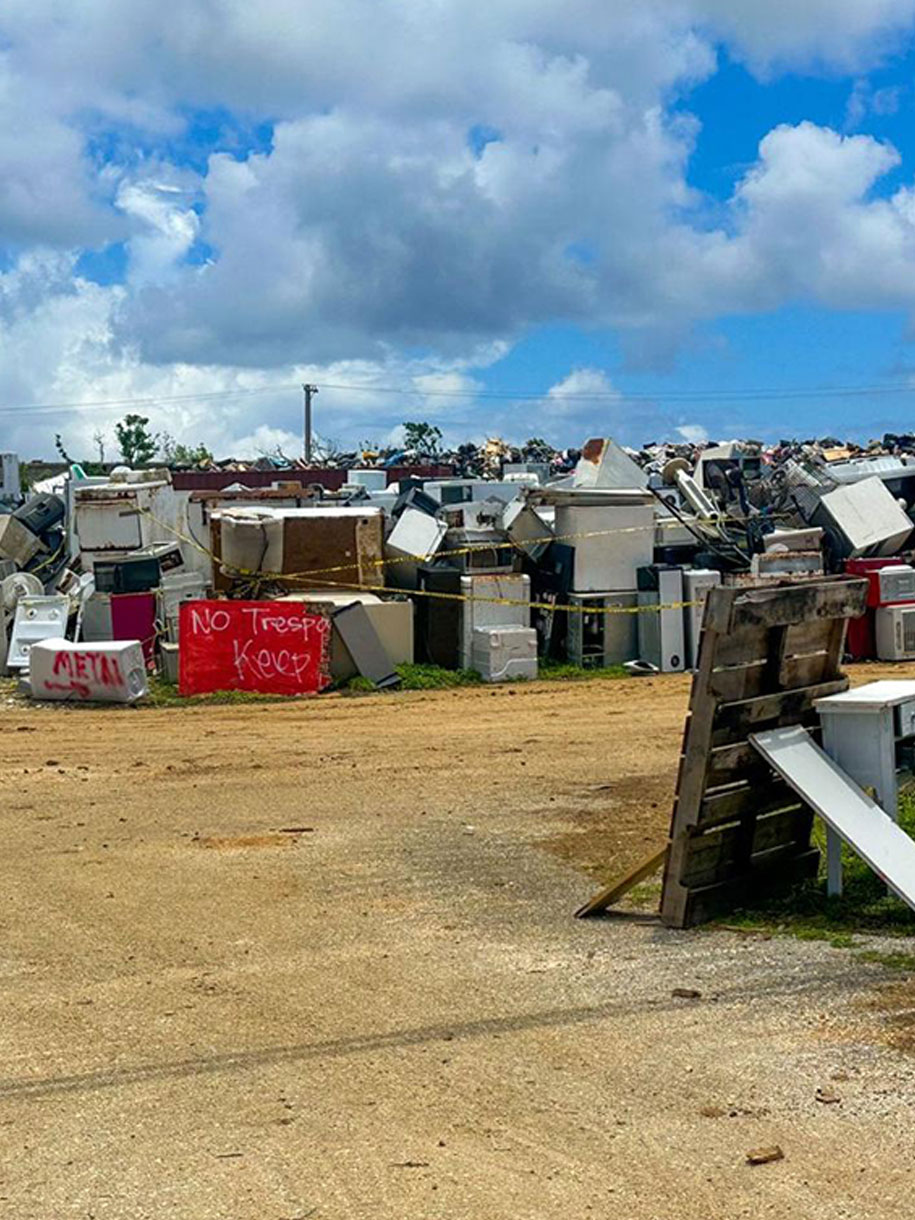
But really, the magic numbers this year will come from the federal government as Guam, Saipan, Tinian, Rota and Chuuk aim to repair the damage that Typhoon Sinlaku wrought, when federal funds are dispersed to governments and individuals.
As Roseann M. Jones divined at the Guam Chamber’s membership lunch on April 29, Guam is unlikely to receive as much funding as it did after Typhoon Mawar since this time round the island is in better shape.
Hundreds of individuals headed to Guam and the NMI to not only assist with recovery, but to assess damage.
But while there is a focus on recovery, we should not overlook the accomplishments of the companies that made the List of the Top Companies in Micronesia. As usual, they do business on a variety of islands, and in a variety of industry sectors, and have spoken frankly in our anonymous survey.
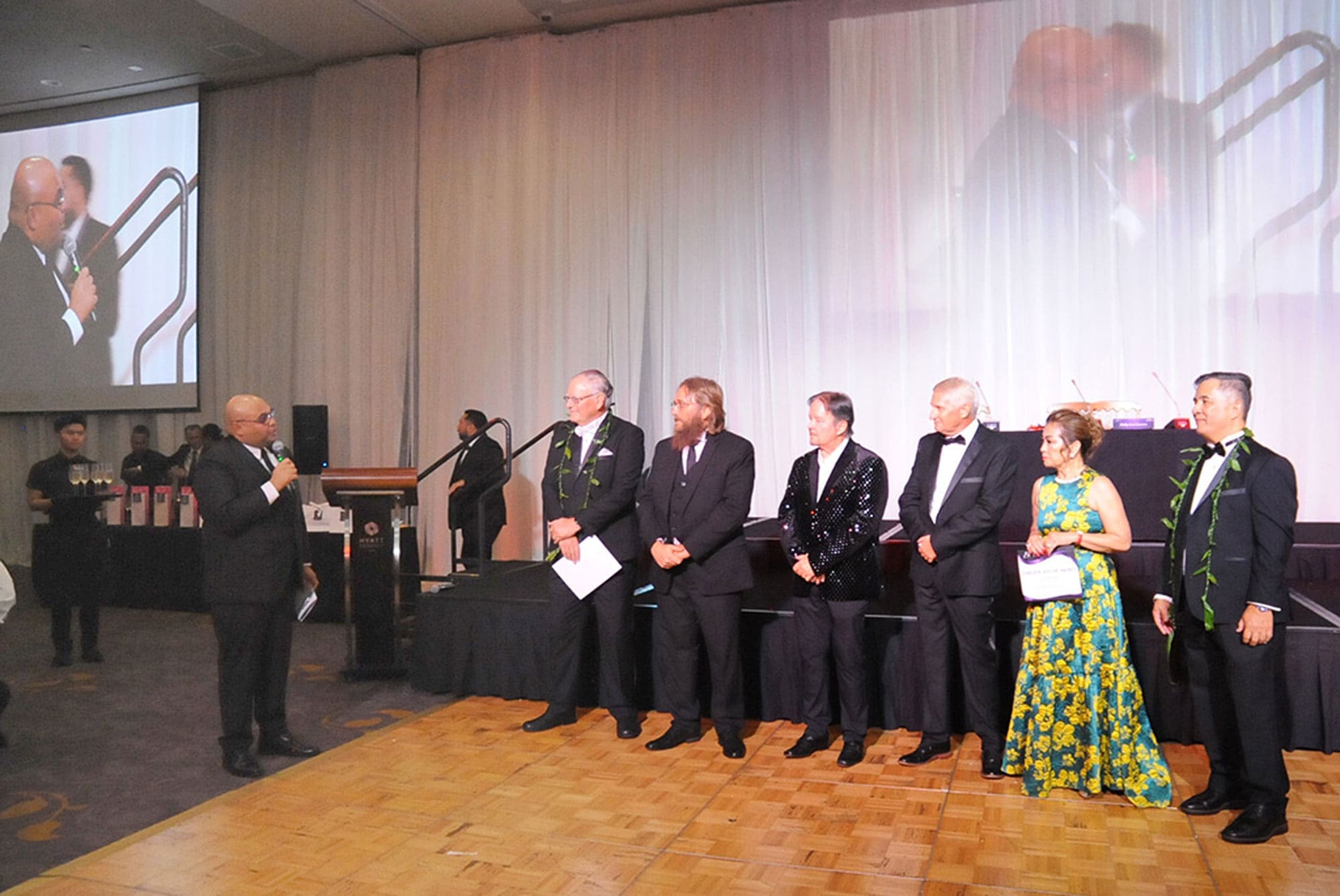
As part of the process, the “team” from the Bank of Guam, ASC Trust and Glimpses Media meet with various companies on the list.
Once again, we have given David John and Kin Cook a free rein with their own features in this issue.
The thing about doing business in the islands is if it were easy, then anybody could do it.
And if I have a takeaway this year, it is that despite the challenges that beset construction, tourism and hospitality, and each industry sector, our businesses are surviving and successful.
While construction remains a buoyant sector, contractors also have to deal with supply chain issues and skilled labor shortages.
Like me and our team at Glimpses Media, the leaders we talked to deal with budgets and business plans and look to today’s realities — such as the increase in the cost of fuel — and future opportunities.
In the islands, we have developed an ability to prepare — and to prepare to pivot. And so, each of the businesses and groups we are featuring have certainly earned their place on this year’s list.